
Dermatology Clinical Programs
Vanderbilt Department of Dermatology clinicians offer a full range of services to support the skin health of adults and children, including contact allergy testing, laser treatments, dermatological cosmetic surgery and more.
Vanderbilt dermatologists are experienced in treating many skin conditions including congenital skin diseases, skin cancer, psoriasis, ichthyosis, congenital nevi, erythroderma and atypical (dysplastic) nevus syndrome.
The department supports a number of special clinical programs including the Dermatologic Surgery Unit at Vanderbilt University Medical Center and the Extracorporeal Photopheresis Unit at the Nashville VA Medical Center.
Specialized Care
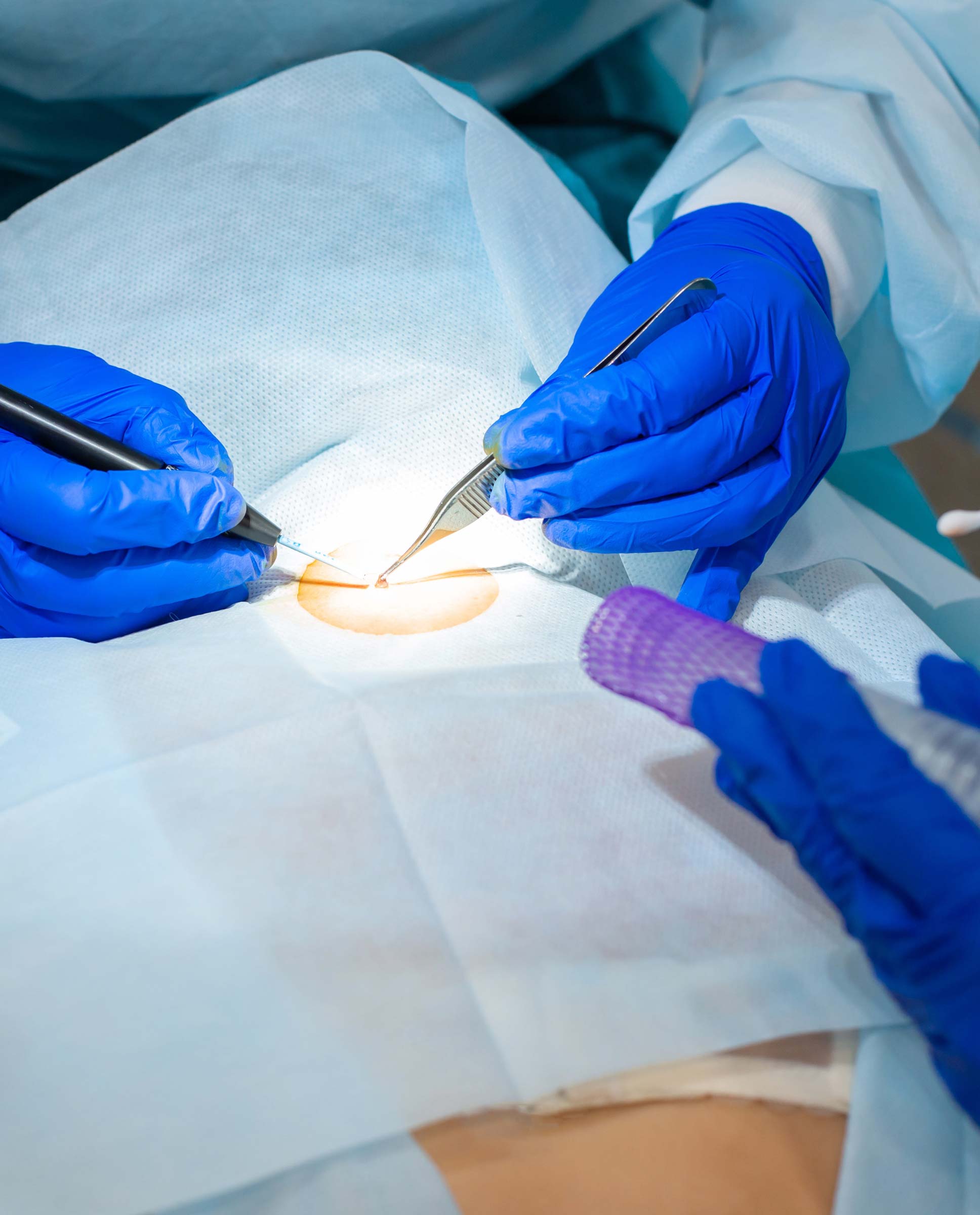
Mohs Micrographic Surgery
This unit provides outpatient removal of non-melanoma skin cancers while protecting as much healthy tissue as possible utilizing the Mohs technique of micrographically controlled surgery.

Dermatopathology
The Vanderbilt Department of Dermatology offers this service to physicians throughout the U.S. We aim to provide prompt, expert interpretation and analysis for referring physicians and their patients.
Phototherapy
An outpatient facility that uses an ultraviolet light source or laser on the skin for the treatment of many different skin conditions, such as psoriasis, acne, some skin cancers and other conditions.
Melanoma and Pigmented Lesions
Designed to provide care for patients who have problems associated with moles including melanoma, dysplastic (atypical) nevi, and congenital nevi. Patients are followed with complete cutaneous photography.
Special research projects include genetic linkage analysis of the dysplastic nevus syndrome, and hormone influences on nevus change. This long-standing clinic, led by Dr. Darrell Ellis, is part of the Vanderbilt-Ingram Cancer Center.
Cutaneous Lymphoma
Dedicated to assist referring physicians in the evaluation and management of cutaneous lymphomas (cutaneous T-cell lymphoma, mycosis fungoides, Sezary syndrome, cutaneous B-cell lymphoma) and related disorders such as lymphomatoid papulosis, parapsoriasis and follicular mucinosis.
Patients with suspected cutaneous lymphoma or skin biopsies with atypical lymphocyte infiltrates are also evaluated.
Our Clinic Sites
Dermatology at Vanderbilt Health
Clinicians with the VUMC Department of Dermatology see patients at Vanderbilt Health's One Hundred Oaks location. General dermatology as well as cutaneous lymphoma, Mohs micrographic surgery, and phototherapy treatments are available here.
Extensions of the general dermatology service are also available at Vanderbilt Dermatology locations in Franklin, Belle Meade, and Shelbyville. Our inpatient dermatology consult service provides care for patients admitted to VUMC and VCH with complex dermatologic disease.
Nashville VA Medical Center
The Veteran Affairs (VA) Tennessee Valley Health Care system delivers high quality and compassionate dermatologic care to veteran patients. In addition to general and surgical dermatology services, the service offers specialized treatments including phototherapy, extracorporeal photopheresis and access to Mohs micrographic surgery.
To advance dermatology knowledge, the VA funds faculty research through career development awards and grants. The VA supports its educational mission funding six dermatology residents and the Micrographic Surgery and Dermatologic Oncology fellowship program.
The Interim Dermatology Section Chief is Jason Meyer, MD, PhD.
Staff physicians include: